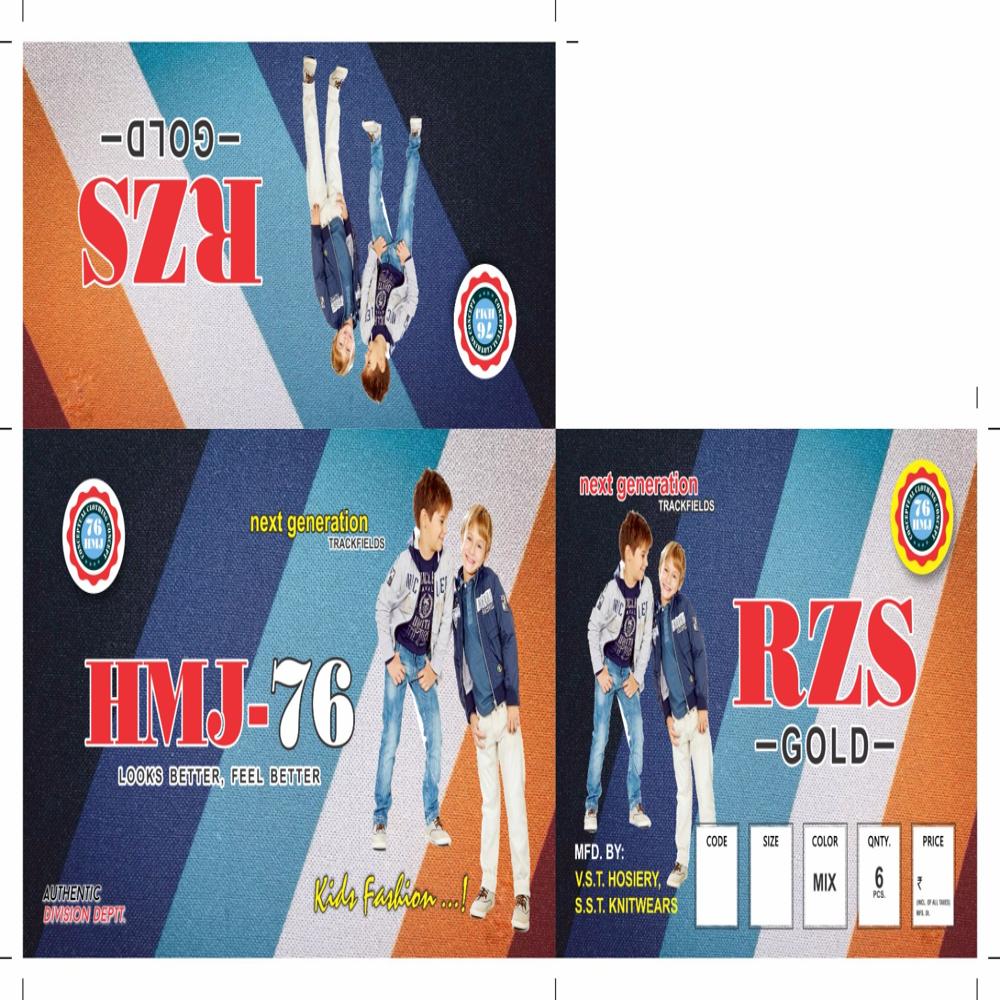
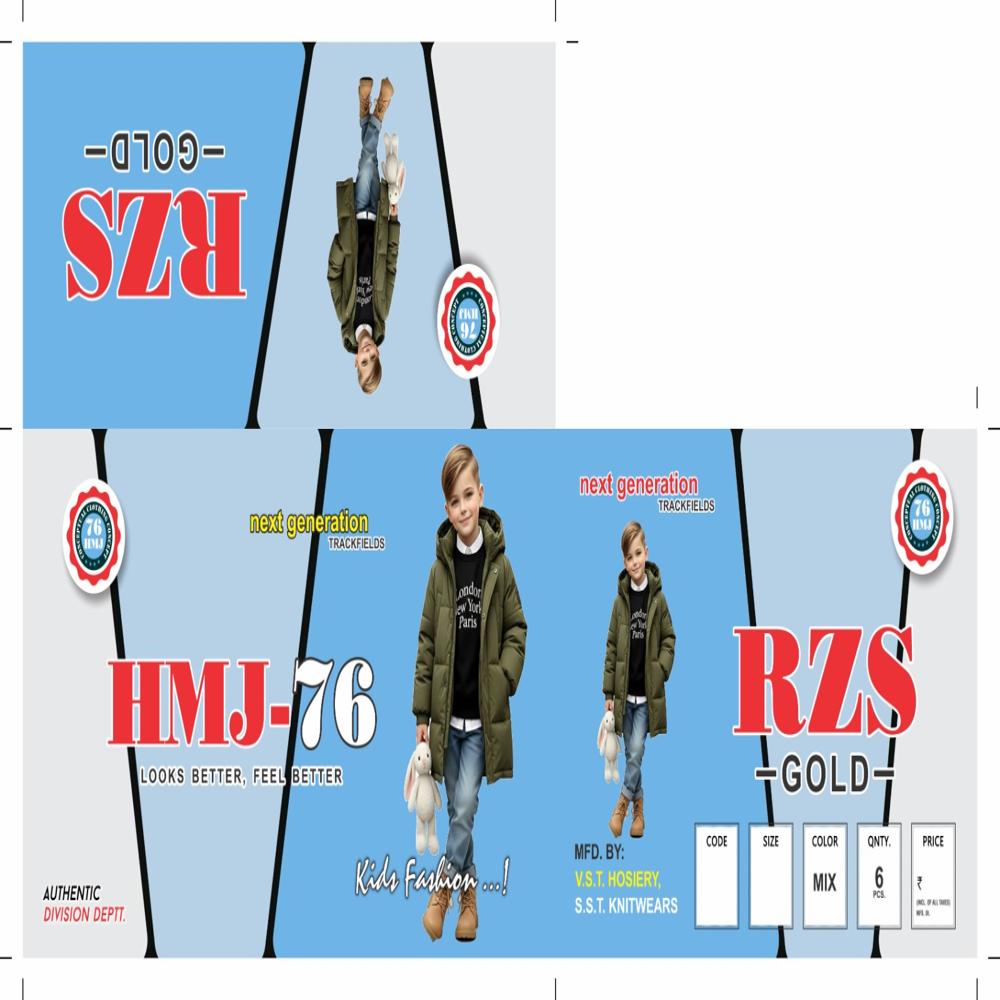
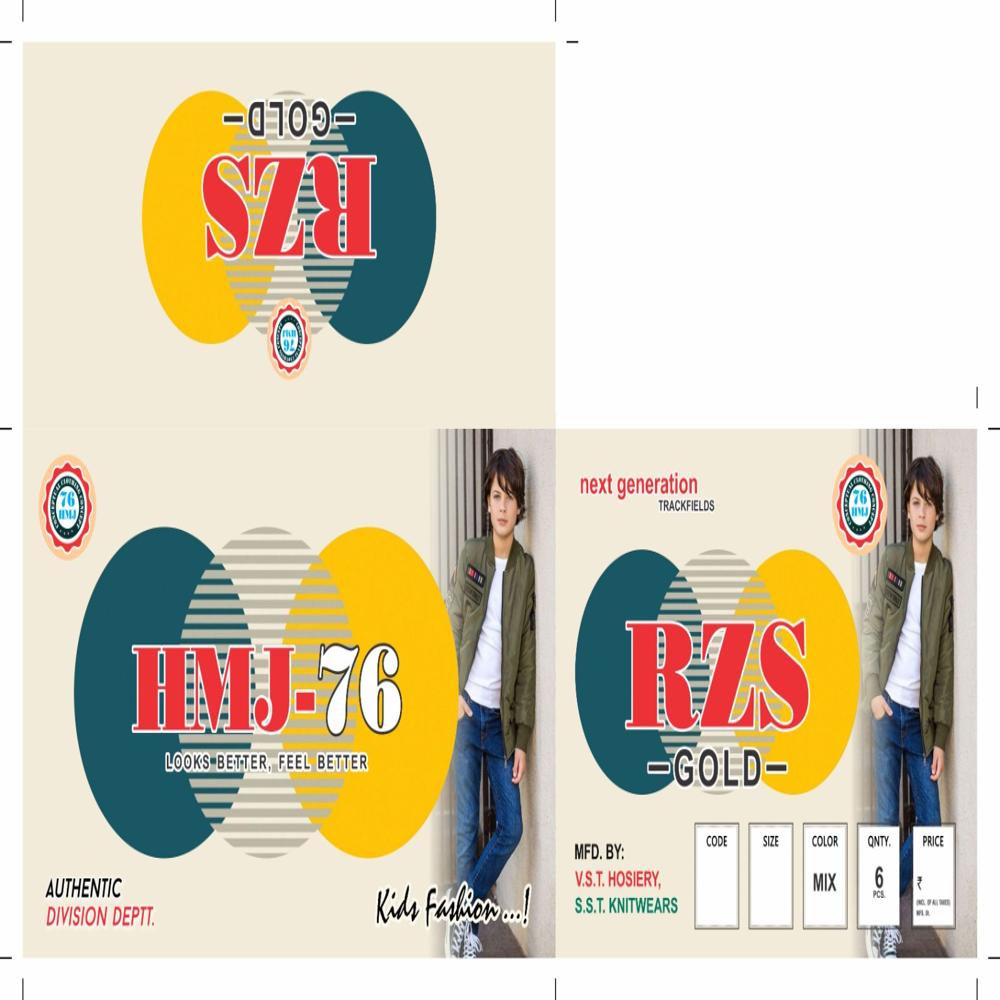
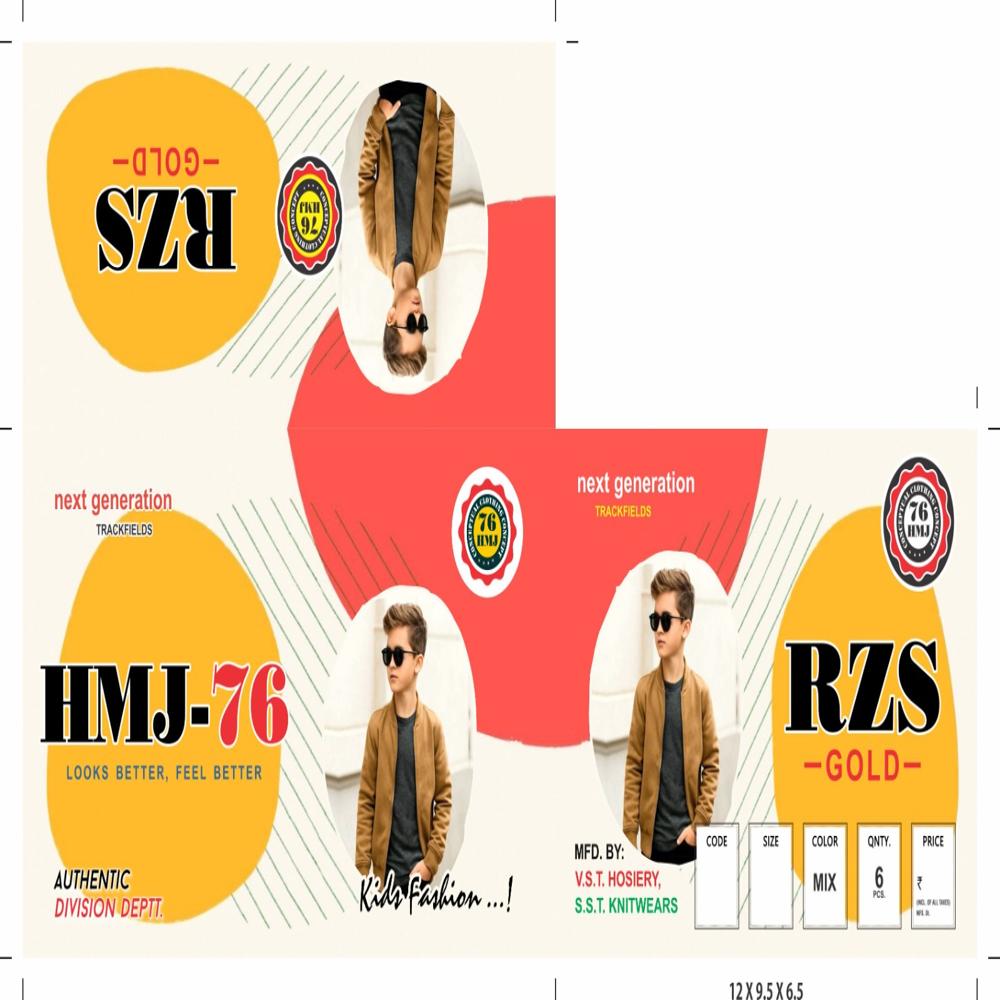
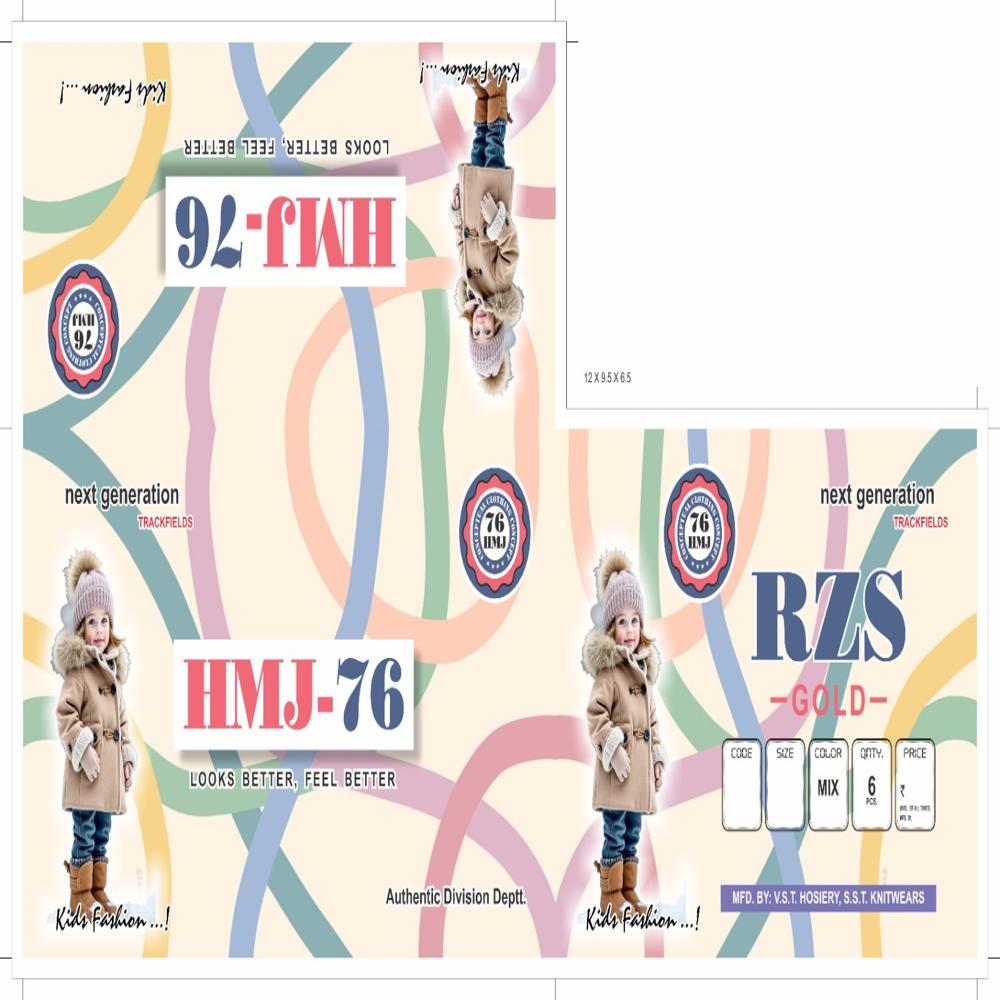
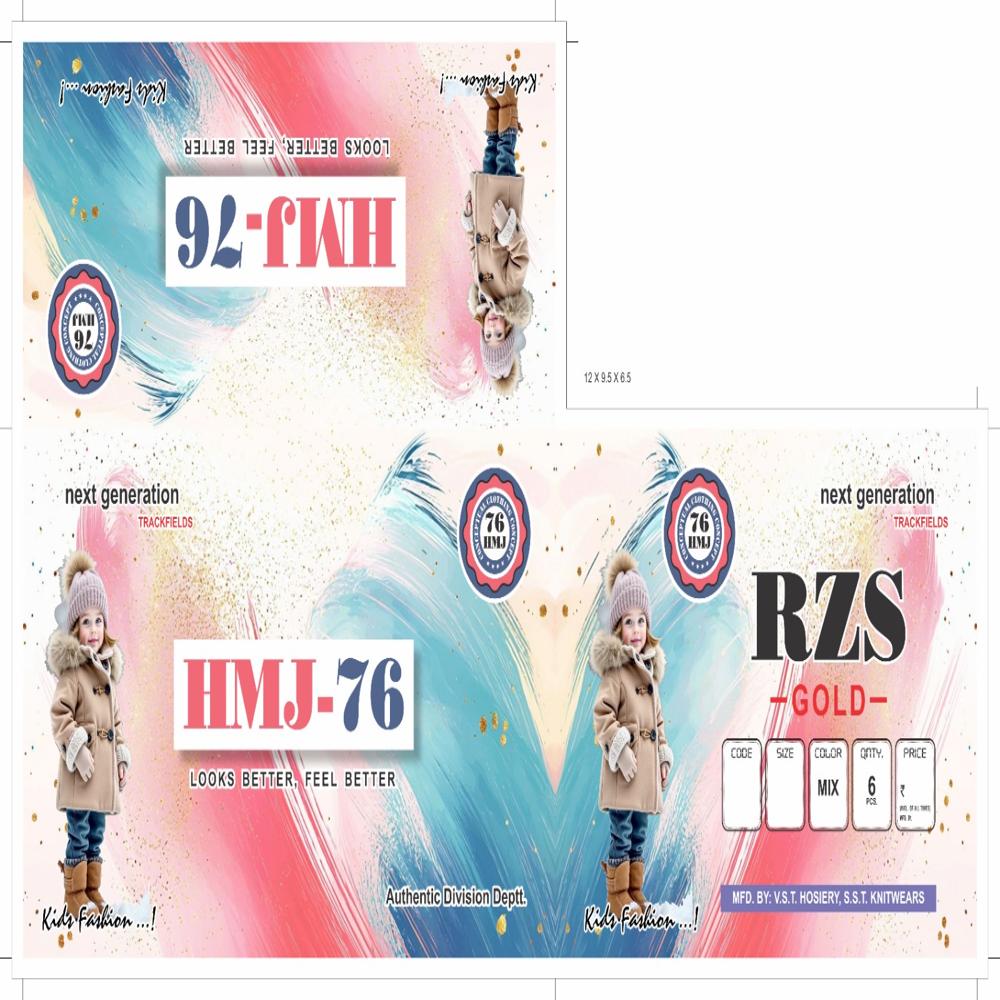
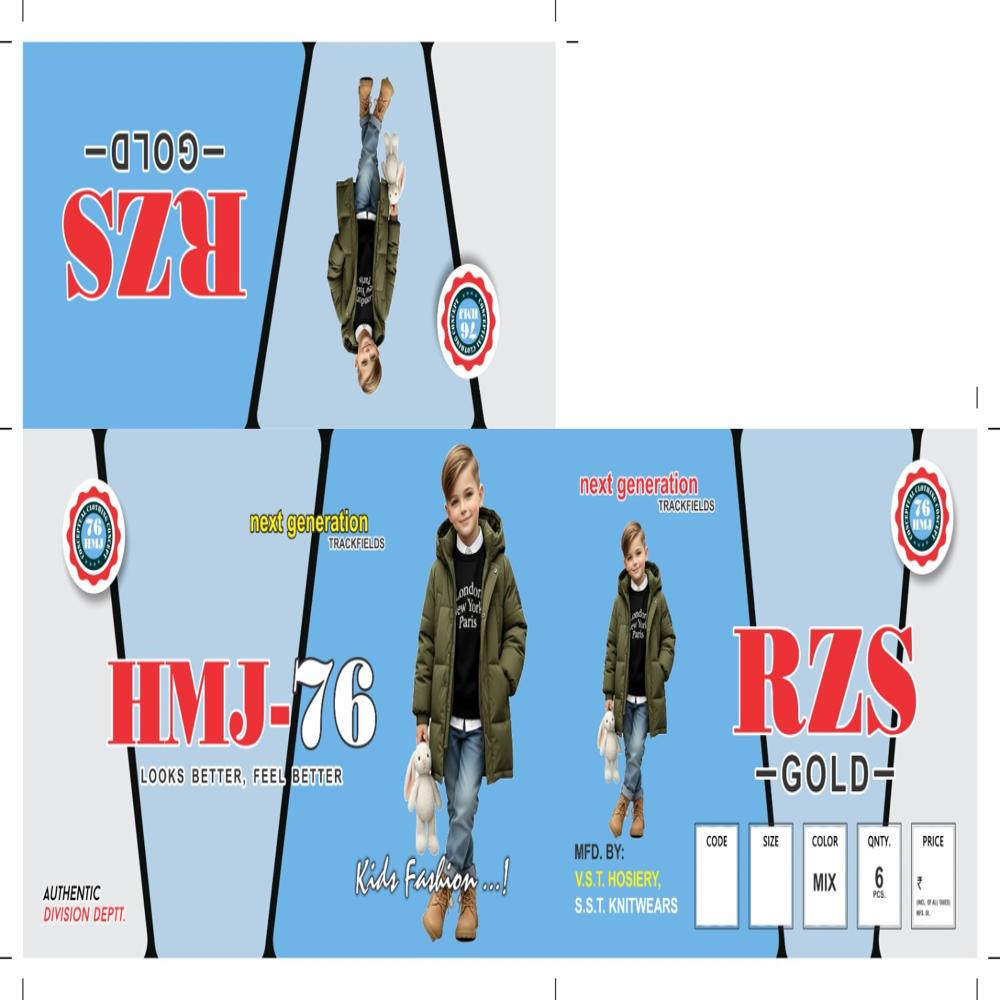
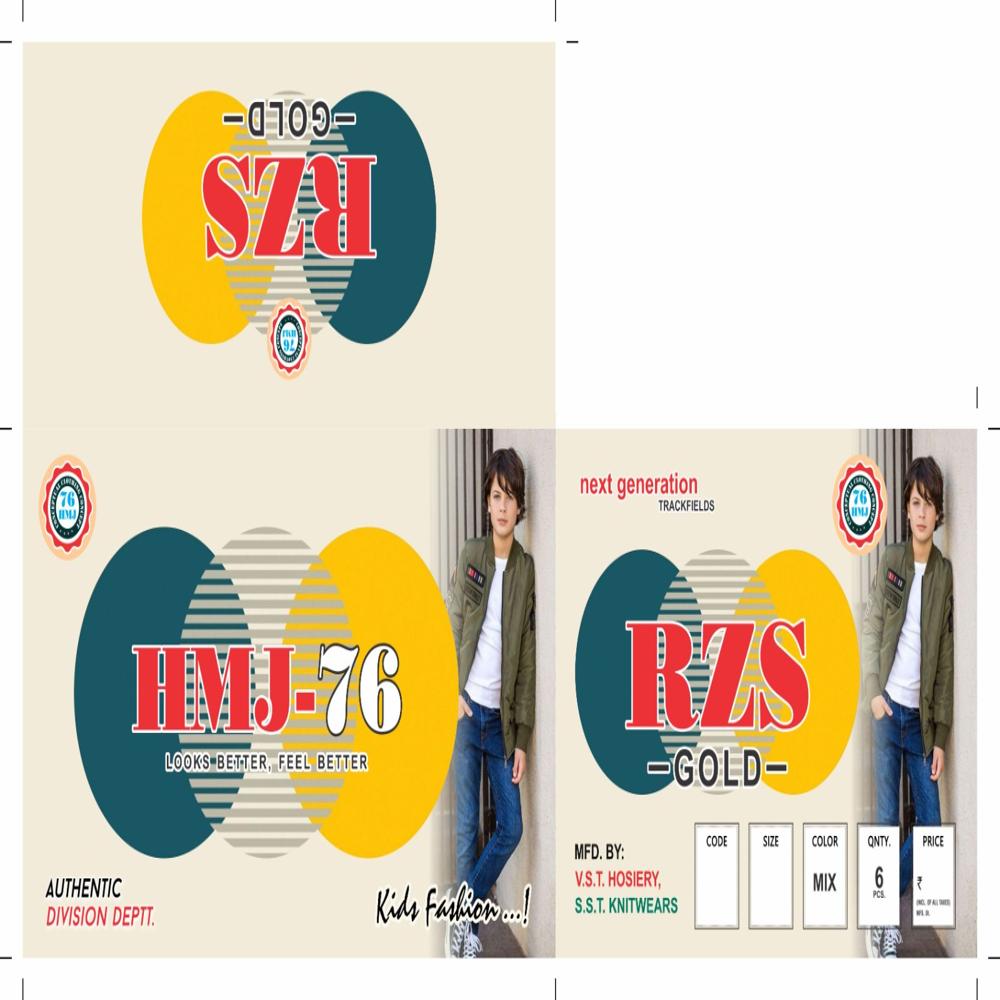
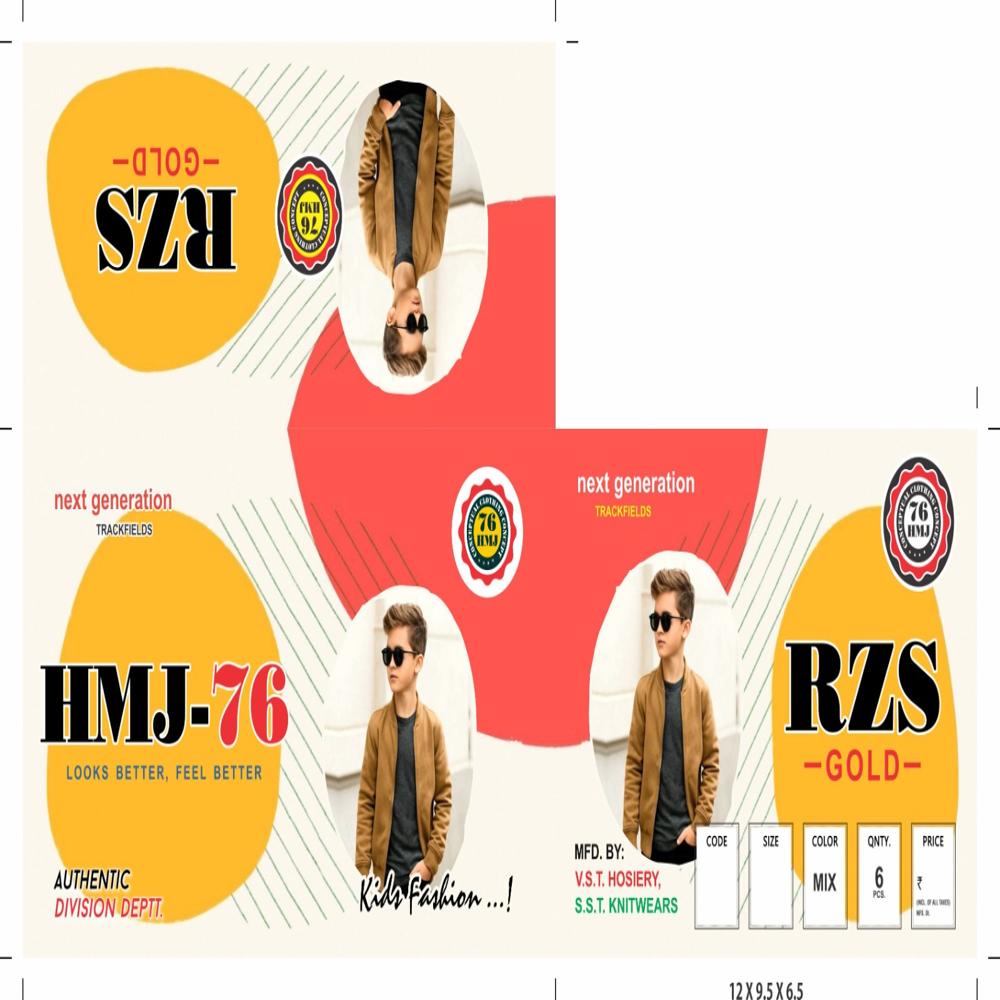
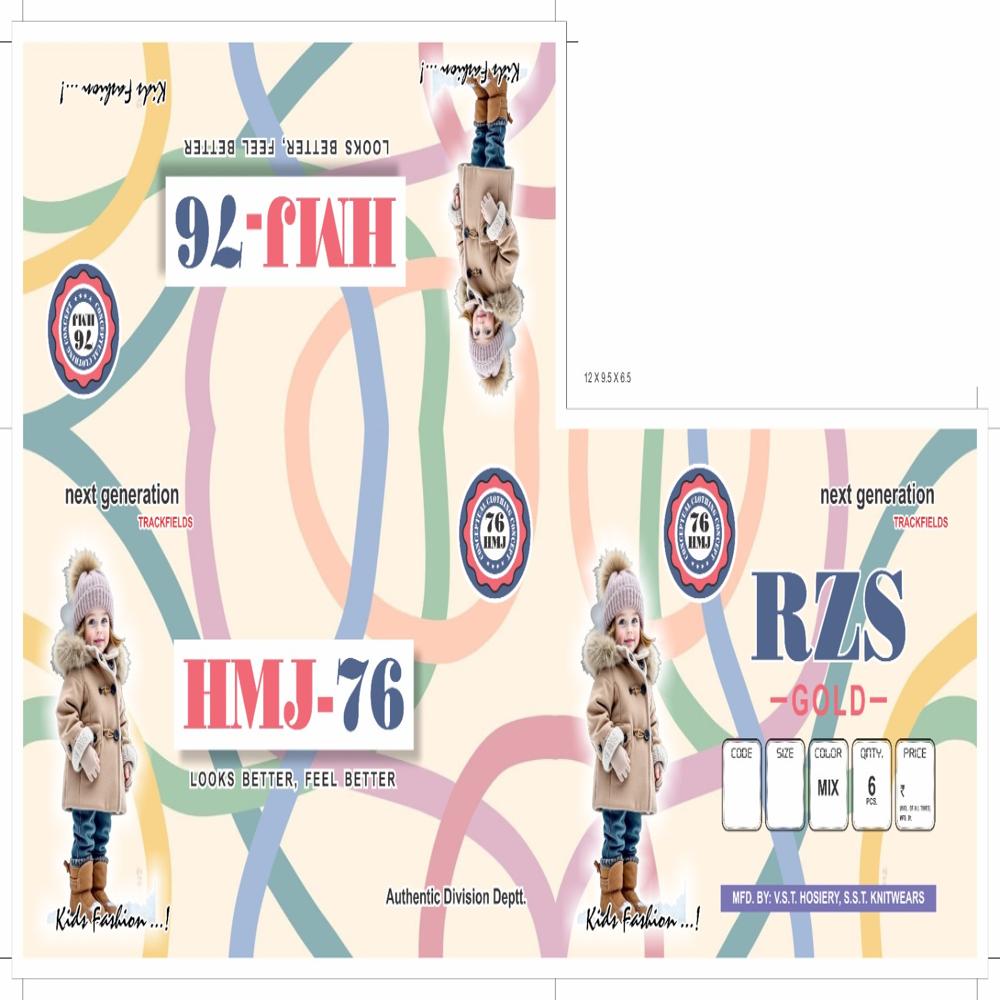
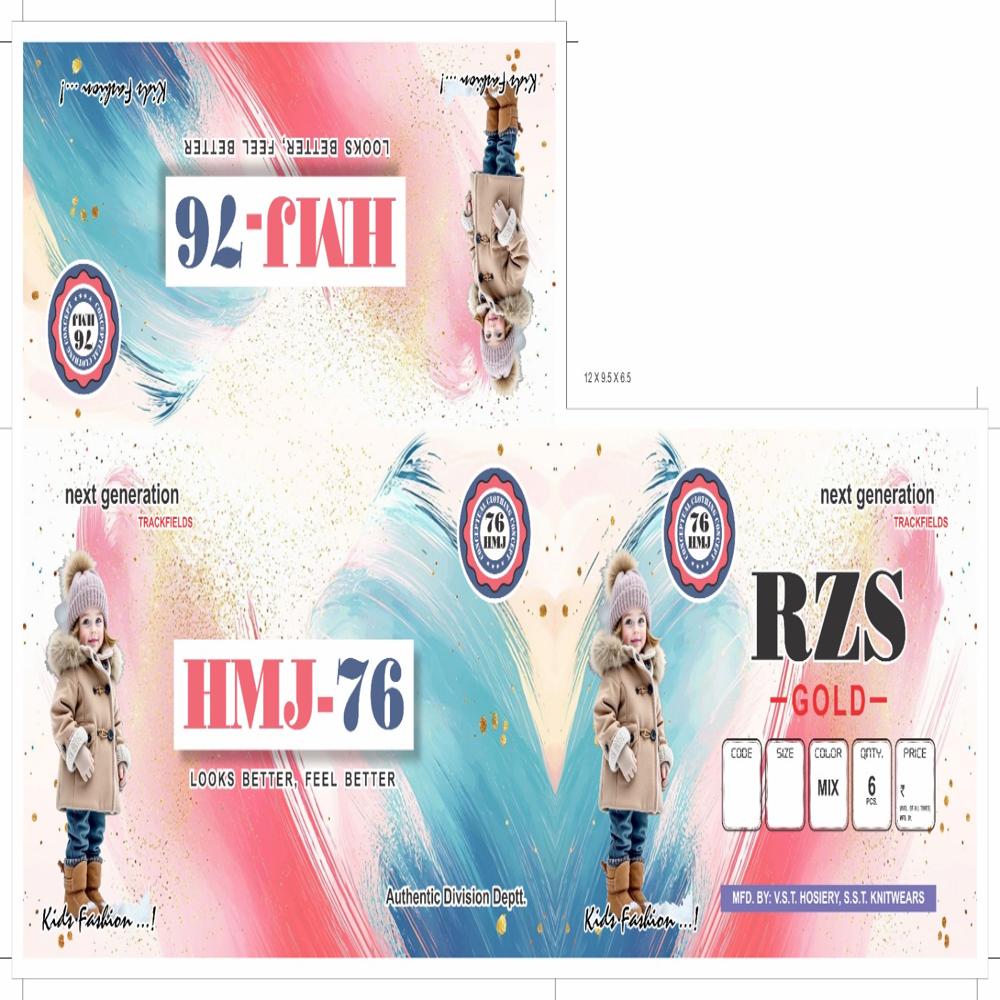
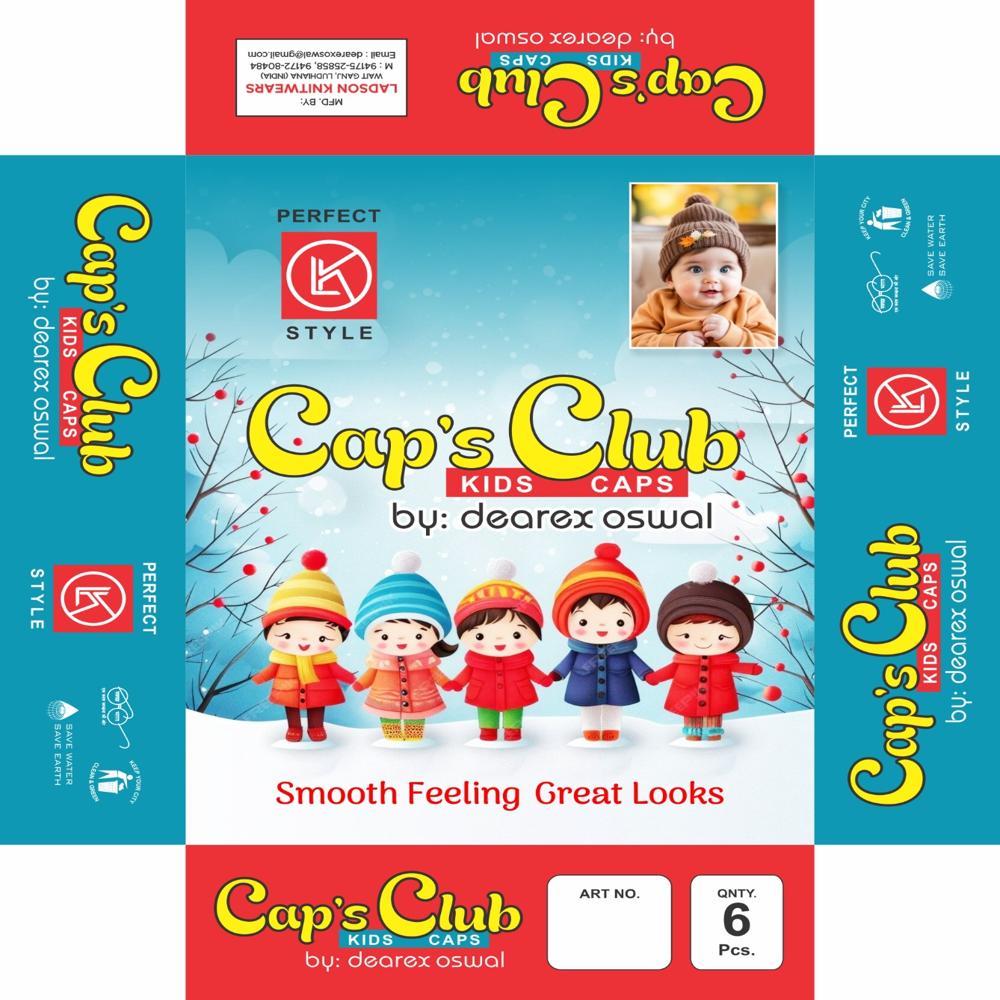
The attached artwork appears to be a corrugated packaging box design for a kids winter clothing collection. The packaging combines product images, brand logos, promotional text, and product information. The following points explain how this packaging should be developed and manufactured.
1. Box Size 12 9.5 6.5 Inches
The required box size is 12 9.5 6.5 inches, generally specified as Length Width Height. Before production, it is important to confirm whether these measurements are internal or external dimensions. For garments, internal dimensions are particularly important because the folded products must fit comfortably without excessive compression.
A physical sample should be produced before bulk manufacturing to verify the actual fit.
2. Winter Collection & Goods Weight
This packaging is designed for a kids winter collection, such as jackets, sweaters, hoodies, winter sets, or other heavier garments. The total goods weight per box should be calculated first.
Goods weight is important because it determines the required corrugated board strength. If the garments are heavy or multiple pieces are packed together, a stronger board construction may be required. Depending on the final weight and stacking requirements, 3-ply or 5-ply corrugated board can be selected.
3. Corrugated Inserts Why They Are Important
Corrugated inserts are internal partitions or support pieces placed inside the box. They are especially useful when several garments or multiple pieces are packed in the same carton.
The inserts help to:
- Keep garments properly positioned.
- Prevent products from moving inside the carton.
- Maintain the shape of the garments.
- Separate different products/SKUs.
- Reduce crushing and damage during transportation.
- Provide additional internal strength to the box.
The insert should be designed according to the actual folded garment dimensions. A sample insert should be tested before mass production.
4. Colour Printing
The artwork contains a combination of blue, red, white, black, product photographs, logos and text. For this type of design, CMYK colour printing is appropriate.
For large quantities, offset printing can provide excellent colour reproduction and consistency. If the quantity is smaller or a quick sample is required, digital printing can be considered.
The colour artwork should be converted to the printer's required CMYK colour profile, and a colour proof should be approved before bulk printing.
5. Offset / Digital Printing
Offset printing is generally preferred for larger production quantities because it provides consistent colours and can be more economical at higher volumes.
Digital printing is useful for samples, prototypes or smaller quantities because there is little setup required.
If photographic images of the children are used, the printer should maintain good image resolution, ideally around 300 DPI at final size, to achieve a sharp print.
6. UV Finishing
UV finishing can be used to give selected areas of the packaging a premium appearance. For example, the brand logo, RZS GOLD, HMJ-76, or other important branding elements can receive Spot UV.
Spot UV creates a glossy effect over specific areas, while the remaining surface can remain matte. This provides contrast and makes the branding more attractive.
7. Complete Manufacturing Process
The complete production process can generally be:
Final Artwork Dieline Development Colour Proof Printing UV/Lamination Corrugation Die Cutting & Creasing Insert Manufacturing Folding & Gluing Quality Inspection Packing & Dispatch
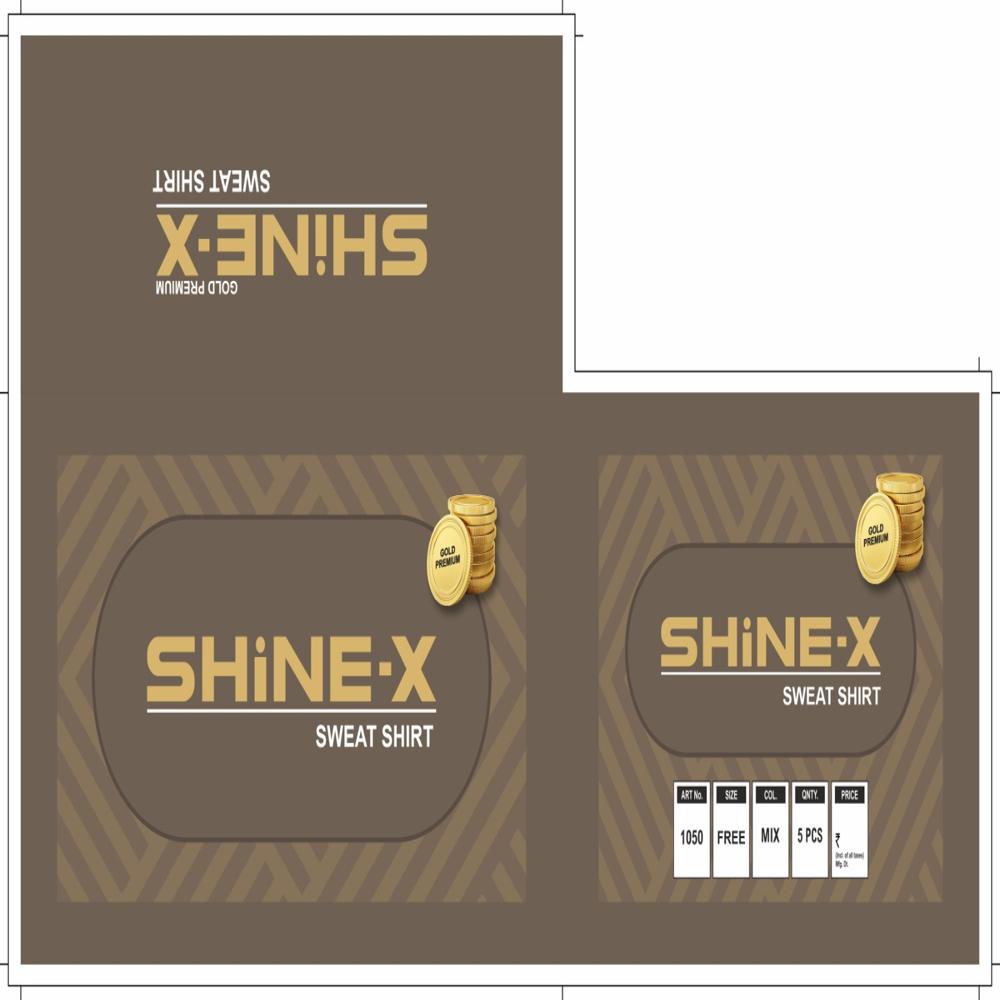
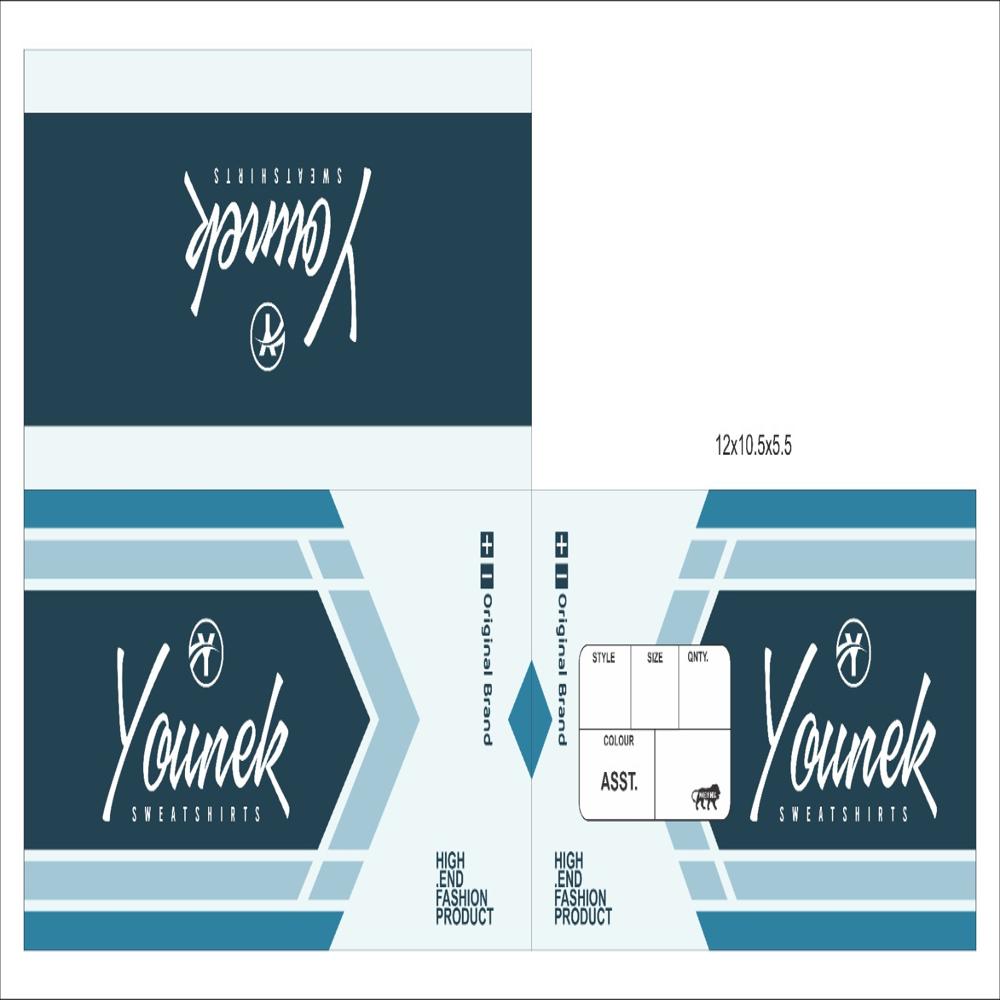
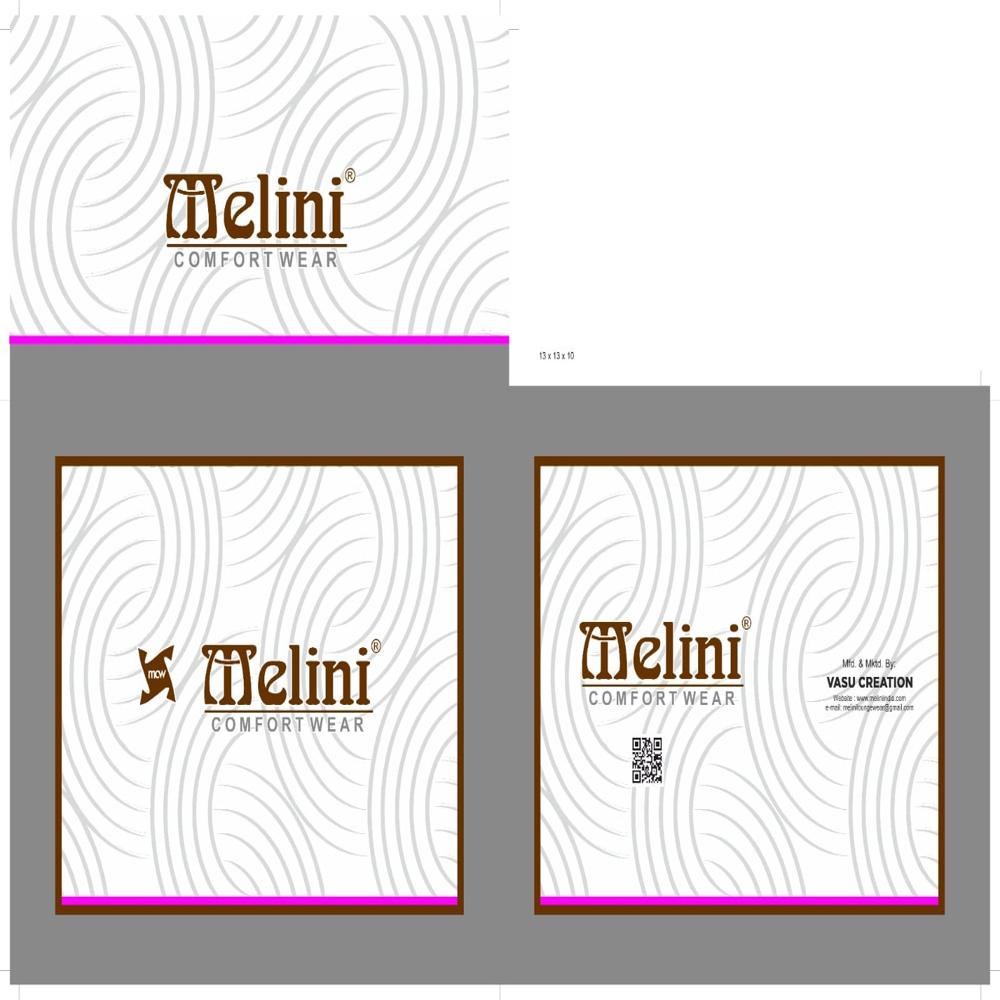
The dieline is particularly important because it defines the exact cutting, folding, glue and panel positions. The artwork must be correctly aligned with the dieline so that logos, photographs and text do not fall on folding or cutting areas.
Final Importance
Before placing the bulk order, the manufacturer should receive a complete specification covering 12 9.5 6.5 inch size, goods weight, corrugated board specification, flute/ply, printing method, CMYK colours, UV finishing, insert dimensions and box construction. A physical prototype/drop-test and fitting test should ideally be approved before mass production. This will minimize problems related to box strength, garment fitting, colour accuracy, folding and transportation damage.




 Send Inquiry


 Send Inquiry